Table of contents
Managing slopes presents a unique set of challenges, from preventing soil erosion to maintaining accessibility and safety. Heavy-duty mulchers have emerged as a game-changer in slope management, offering powerful solutions for both vegetation control and land restoration. Discover how these robust machines can transform difficult terrains into manageable landscapes in the following sections.
Enhanced erosion control
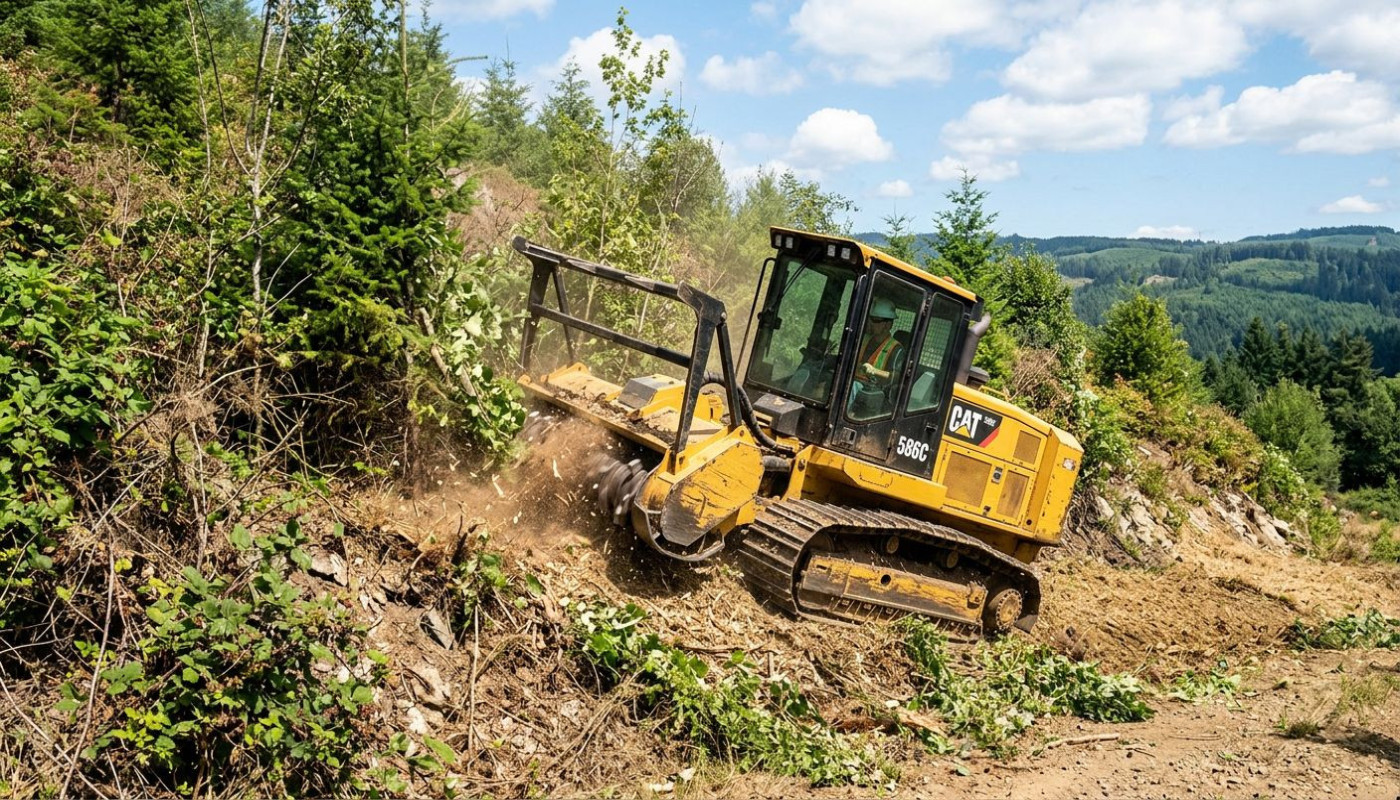
Heavy-duty mulchers play a vital role in slope stabilization and erosion control by transforming vegetation into protective mulch that blankets the soil. This mulch layer minimizes exposure to wind and water forces, which helps prevent soil displacement and surface runoff. By distributing mulch evenly, these machines ensure consistent soil coverage, enhancing soil protection and improving overall land management on slopes. Their robust design allows them to operate efficiently even on challenging terrains, making them a preferred tool for certified erosion control specialists who prioritize long-term site stability and prevention of sediment loss.
Integrating heavy-duty mulcher applications with techniques such as hydroseeding further enhances the establishment of vegetation, which roots into the mulch and anchors the soil. This combined approach reduces the need for frequent intervention and supports sustainable landscape restoration. For those seeking advanced solutions in land management and erosion control, a number of professional-grade equipment options are available—view it now to explore heavy-duty mulcher models and learn more about their benefits for slope stabilization and soil protection.
Vegetation management efficiency
Utilizing heavy-duty mulchers for slope management delivers significant efficiency gains in vegetation control. These robust mulching equipment units are specifically engineered to tackle challenging terrains, allowing for rapid brush clearing and swift removal of dense vegetation and invasive species. By enabling continuous operation on uneven ground, they outperform manual or lighter mechanical methods, drastically reducing the time and labor required for biomass reduction. Licensed vegetation management experts recommend their use when efficient land maintenance is necessary, as these machines can cut through thick undergrowth and woody plants in one pass. This capability not only accelerates project timelines but also minimizes the risk of regrowth, making them highly effective for maintaining slopes, utility corridors, and other difficult-to-access areas where controlling invasive species is vital.
Safety improvements for operators
Heavy-duty mulchers bring significant advancements in operator safety when tackling challenging slopes and uneven terrain. One of the standout benefits is the integration of advanced mulcher technology designed to enhance machine stability, even on steep gradients where slope hazards are heightened. By reducing the reliance on manual labor, these machines minimize direct human exposure to hazardous conditions, supporting effective risk reduction. Features such as rollover protection system (ROPS) ensure that, in the event of equipment tip-over, the operator remains safeguarded from serious injury. Certified occupational safety managers consistently recommend heavy-duty mulchers for their proven ability to address operator safety concerns, especially in environments where machine stability is non-negotiable for job site security. Incorporating these safety measures not only keeps operators protected but also boosts productivity and confidence while managing slopes prone to accidents.
Cost-effectiveness over time
When considering cost-effective solutions for slope management, heavy-duty mulchers offer a compelling long-term investment due to significant maintenance savings and reduced labor requirements. Heavy machinery cost can be substantial at the outset, but the durability and efficiency of modern mulchers help offset this initial expense. Compared to traditional manual or light-equipment methods, heavy-duty mulchers streamline vegetation clearance and soil stabilization, minimizing the frequency and intensity of interventions needed for ongoing slope management. These factors collectively improve the return on investment (ROI), as maintenance cycles are extended and fewer labor hours are required to achieve optimal results. Additionally, the reliability of advanced mulching equipment reduces unexpected repair costs, further enhancing the financial appeal of adopting these machines for large-scale or challenging terrains.
From a financial analyst’s perspective, the robust performance and longevity of heavy-duty mulchers contribute directly to consistent maintenance savings over the lifespan of the machinery. When evaluating heavy machinery cost and the associated savings, the overall expense associated with repeated manual clearing or less capable equipment becomes evident, especially in the context of steep or difficult-to-access slopes. By integrating these cost-effective solutions, organizations not only streamline operational budgets but also decrease the risks linked to slope instability due to inadequate vegetation maintenance. This strategic approach to slope management ensures that the initial investment yields ongoing benefits, supporting sustainable land use and infrastructure protection.
Environmental sustainability factors
Heavy-duty mulchers play a pivotal role in enhancing environmental sustainability when managing slopes. By efficiently clearing invasive species and dense brush, these machines support the recovery and expansion of native vegetation, which is essential for long-term ecosystem stability. Native plant growth promotes biodiversity and improves soil structure, reducing the risks of erosion and runoff. Using mulchers for vegetation management minimizes the reliance on chemical herbicides, directly contributing to chemical reduction in the environment and safeguarding water quality in surrounding habitats. Eco-friendly practices such as mechanical mulching also facilitate habitat restoration by maintaining natural plant communities and encouraging the return of native wildlife species. Mulching operations help lower the carbon footprint associated with slope management compared to traditional methods that involve manual clearing or heavy chemical treatment, making them an effective solution for organizations aiming to achieve sustainable land stewardship goals.
Similar

Edible Landscapes: A Delicious Revolution

Unveiling the Secret Life of Worm Composting