Table of contents
A restful sleep begins with the right bed linens, but the secret to truly enjoying their comfort lies in proper maintenance. Preserving the freshness and quality of sheets, pillowcases, and duvet covers not only enhances nightly rest but also saves money in the long run. Delve into the guidance below to master the art of linen longevity and transform your sleep sanctuary into a lasting haven.
Caring for fabric fibers
Proper bed linen care begins with understanding the unique characteristics of the fibers and the significance of protecting fiber integrity. Always consult the care labels attached to your bed linens, as these guidelines are curated by manufacturers and textile conservators to suit the specific fabric composition. Washing sheets in cool or lukewarm water—ideally between 30°C to 40°C—helps to preserve softness and prevents thermal stress that can damage delicate fibers. Using gentle detergents is a key step in fabric maintenance, as harsh chemicals or bleach can weaken fiber structure and accelerate wear. Additionally, opt for mild, fragrance-free detergents and steer clear of fabric softeners, which may leave residue and diminish the natural feel of the material.
For optimal results, it is advisable to wash bed linens every one to two weeks, which not only maintains hygiene but also prevents oil and dust buildup that can degrade textile fibers over time. To maintain fiber integrity and the overall quality of the fabric, select gentle cycle settings and avoid overloading the washing machine, allowing ample water movement around each piece. Air drying or using a low-heat setting in the dryer further ensures that the fibers retain their elasticity and strength. Small adjustments in your fabric maintenance routine, such as turning sheets inside out before washing and storing linens in a cool, dry environment, can extend the lifespan of your bedding and preserve softness for years to come.
Optimal drying techniques
Drying bed linens properly is essential for preserving their quality and comfort over time. Air drying is a preferred method, as it allows for gentle moisture retention, which refers to the fabric's ability to keep a slight amount of moisture after washing, preventing brittleness and premature wear. Hanging linens outdoors or in a well-ventilated room also helps protect colors from fading, since direct sunlight can sometimes cause discoloration. For those unable to air dry, tumble dry low is highly recommended. Using a low heat setting avoids shrinking sheets by reducing the risk of fibers contracting excessively, and also shields delicate textiles from heat damage. Overdrying, especially at high temperatures, can strip away necessary moisture, leading to weakened fibers and loss of vibrancy in colored fabrics. By choosing the right drying method, the integrity, softness, and colors of bed linens are maintained for much longer use.
To further protect colors and avoid shrinking sheets, always remove bed linens from the dryer while they are still slightly damp, which supports appropriate moisture retention and prevents excessive wrinkling. This gentle approach is particularly beneficial for natural fibers such as cotton and linen, which are prone to becoming stiff or losing elasticity if overdried. Additionally, using dryer balls with tumble drying can enhance air circulation and reduce drying time, thereby minimizing potential damage. Following these guidelines for air drying or tumble dry low not only preserves the appearance and feel of your bed linens but significantly extends their lifespan, keeping them soft, vibrant, and comfortable night after night.
Stain removal mastery
Prompt action is key when seeking to remove stains from sheets and maintain clean bed linens. Begin by blotting any spill or mark gently with a clean, dry cloth to absorb as much liquid as possible before it sets. Successful stain removal tips emphasize the value of pre-treat fabric with a targeted cleaning solution chosen according to the type of stain—protein-based marks, such as blood or sweat, respond well to cold water and enzymatic cleaners, while oily residues benefit from a degreasing agent. For colored stains like wine or juice, an oxidizing bleach that is safe for colored fabrics can be effective. Spot treatment, a technical term in textile care, refers to applying your chosen laundry solutions directly to the affected area, allowing it to penetrate the fabric before washing the entire item. This focused approach, championed by professional textile restorers, significantly increases the chances of lifting stubborn stains without damaging the delicate fibers of high-quality linens.
Different stains demand specific removal techniques, so understanding their origin is vital. For instance, ink or makeup may require alcohol-based removers, while tannin stains from tea or coffee are best addressed with mild detergents. Always test cleaning agents on an inconspicuous section of the linen first to preserve its appearance. Immediate attention, combined with the correct method for each stain type, ensures lasting freshness and prevents permanent discoloration. For those seeking reliable sources of quality bed linen, consider exploring the bed linen collections at bed linen, where proper care instructions are provided to help extend the life of your investment.
Proper storage solutions
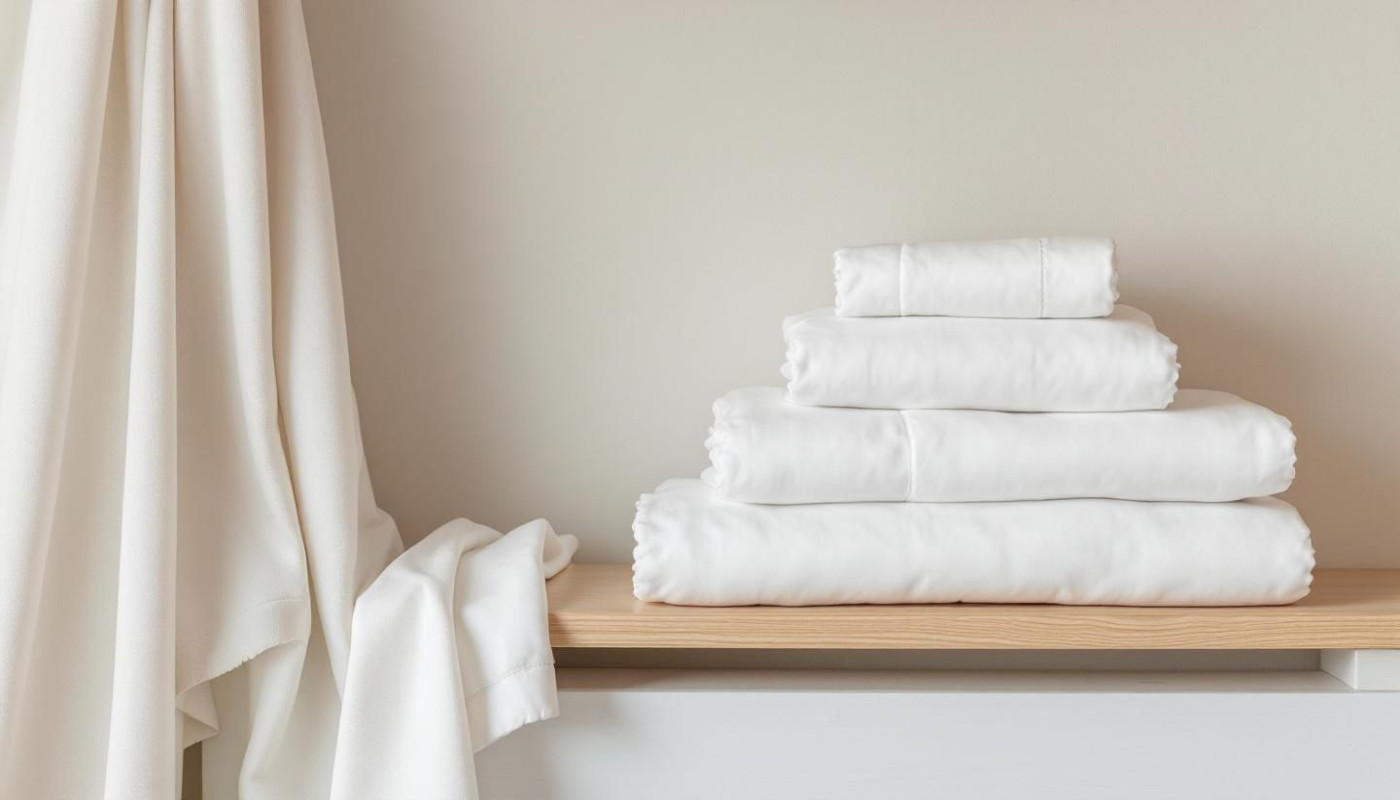
Effective bed linen storage starts with mastering folding techniques that minimize wrinkles and save space. Fold sheets and pillowcases neatly to maintain fabric integrity and make retrieval simple. Organizing linens by set and size in a dedicated linen closet is among the best linen closet tips for efficiency and dust-free storage. Environmental control is key: store linens in cool, dry environments with good air circulation to prevent mildew and deter dust mites. Avoid overcrowding shelves, and use breathable storage bins or cotton bags rather than plastic containers, which can trap moisture. Strategic placement of moisture absorbers or natural dehumidifiers in your storage area supports further efforts to prevent mildew, especially in humid climates.
Periodically airing bed linens is a practical way to refresh fabrics and maintain optimal conditions for long-term use. Take items out of the closet every few months, shake them out, and let them breathe in a well-ventilated space to reduce mustiness and discourage the buildup of dust. Additionally, rotate linens in use so all sets experience even wear, which can extend the lifespan of your textiles significantly. Keeping the linen closet clean and wiping down shelves regularly further supports dust-free storage. These steps, recommended by certified professional organizers, ensure that your investment in quality bed linens delivers comfort and durability year after year.
Rotating and refreshing linens
Establishing a structured bedding care routine helps extend sheet life and keep every set in optimal condition. A master housekeeping trainer would recommend to rotate bed linens by cycling through multiple sets instead of relying on just one or two. This process, known as usage distribution, ensures that wear and tear are shared evenly among all linens, preventing premature thinning or fraying of any single set. Regularly refreshing bedding also plays a pivotal role in maintaining fabric integrity; occasional deep clean sessions remove embedded oils and residues, while a light application of fabric sprays between washes helps refresh bedding and preserve freshness. Through these combined practices, every piece of bedding benefits from reduced stress on fibers, fewer wash-related damages, and a longer lifespan.
To rotate bed linens effectively, assign a schedule that alternates each set weekly or biweekly, allowing fabric fibers time to recover between uses. This approach not only enhances comfort but also promotes hygiene by ensuring each set is thoroughly cleaned and aired out. Routine deep clean treatments, which may include soaking sheets in a gentle detergent or using targeted stain removers, support overall bedding care and prevent buildup that can degrade textiles. By implementing usage distribution and refreshing your bedding regularly, you safeguard your investment in quality linens and enjoy a consistently inviting sleep environment.
Similar

Discovering Wynwood Horizon: Luxury Living at Its Best

How To Choose An Affordable Sleeper Sofa That Combines Comfort And Style
